From the blog
Guides, tips, and deep dives on productivity and front-end craft.
 Productivity
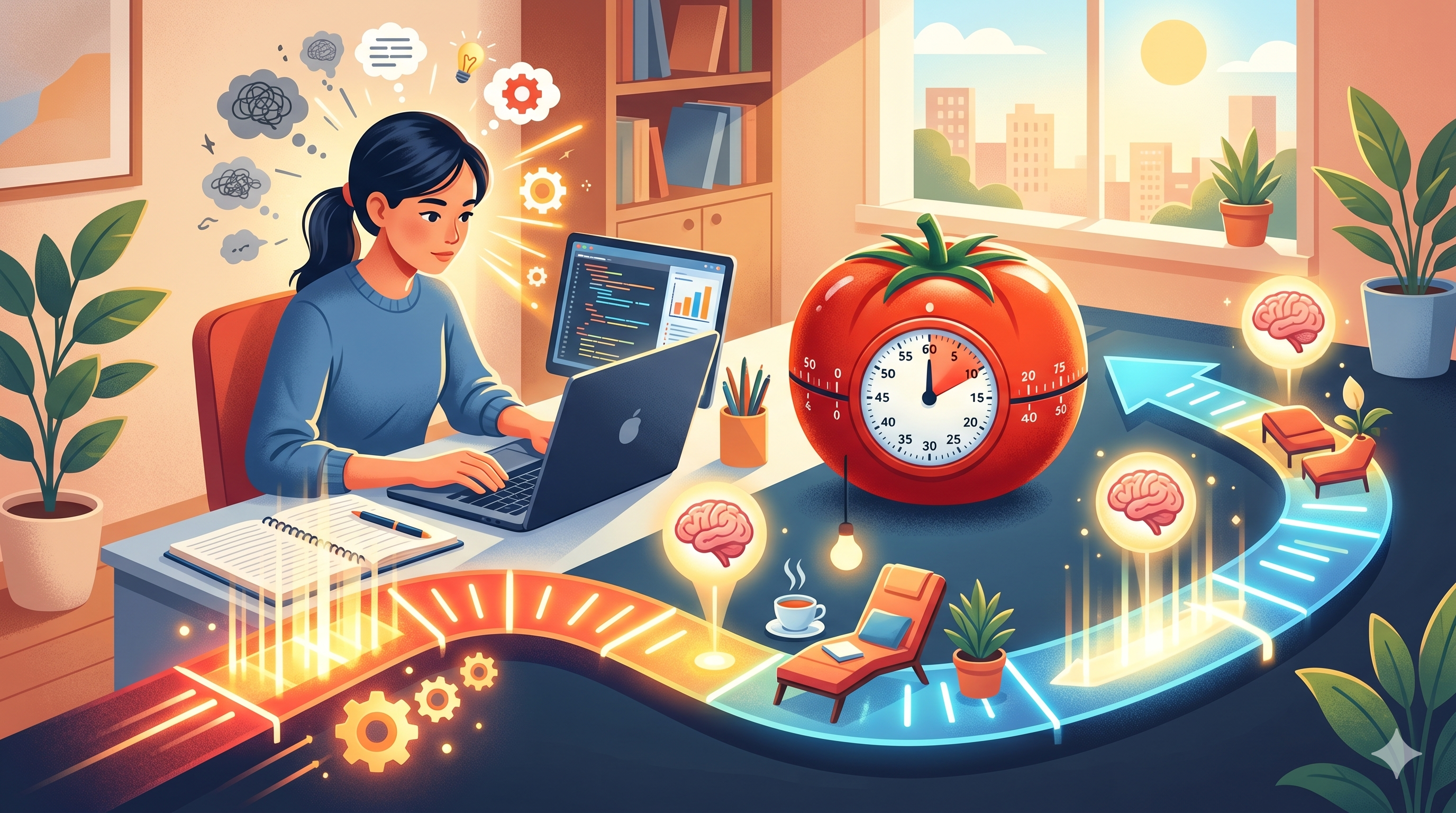
How the Pomodoro Technique Actually Boosts Your Focus
A calm look at why short, timed work sprints outperform marathon sessions, how to run one well, the mistakes that quietly sabotage it, and how to bend the method to fit real deep work.
Read more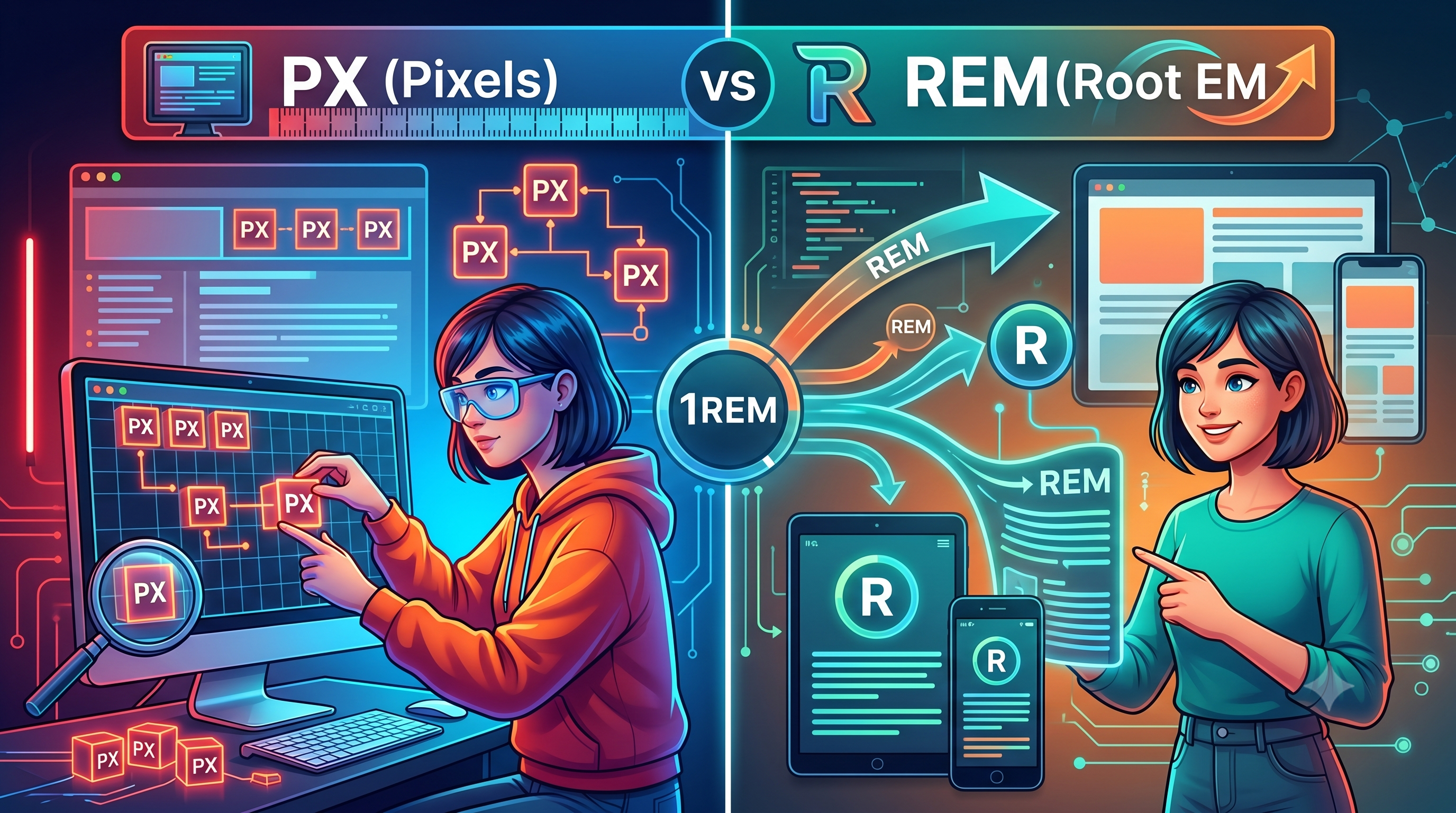 Dev Tools
PX vs REM: A Front-End Developer's Guide to Sizing
Pixels feel precise and certain, which is exactly why they quietly break accessibility and responsive scaling. Here is when to reach for rem, how the conversion works, and the habits that keep a UI flexible.
Read more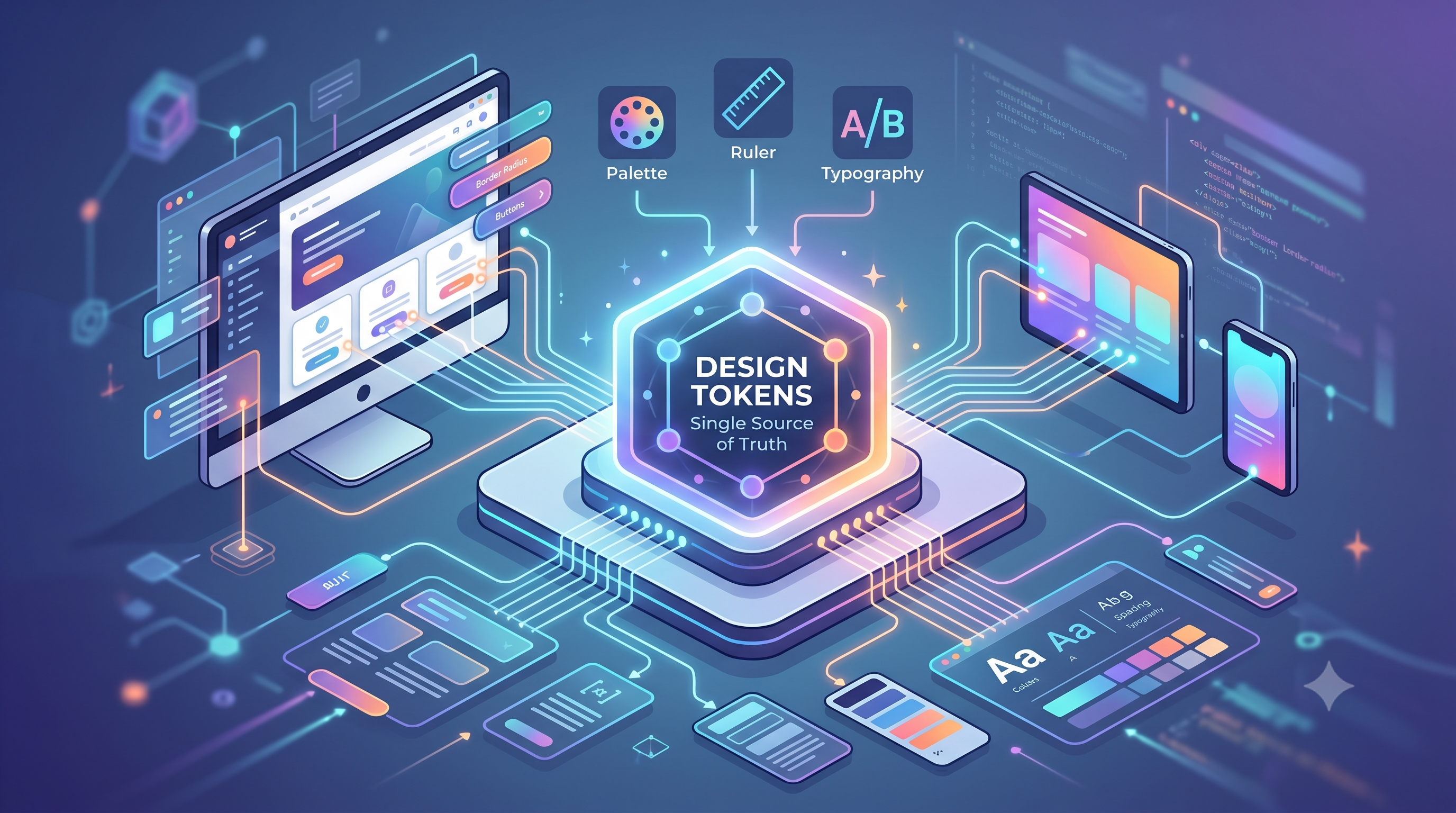 Design Systems
Design Tokens, Explained: The Single Source of Truth for UI
Hardcoded hex values and magic numbers scattered across a codebase are a slow leak in any design system. Design tokens plug it by naming every decision once and reusing it everywhere.
Read more Essays
On the Craft of Software
We talk about software as engineering and as art, but the word that fits best is craft. Craft is what happens when someone cares about the made thing beyond what anyone will measure.
Read more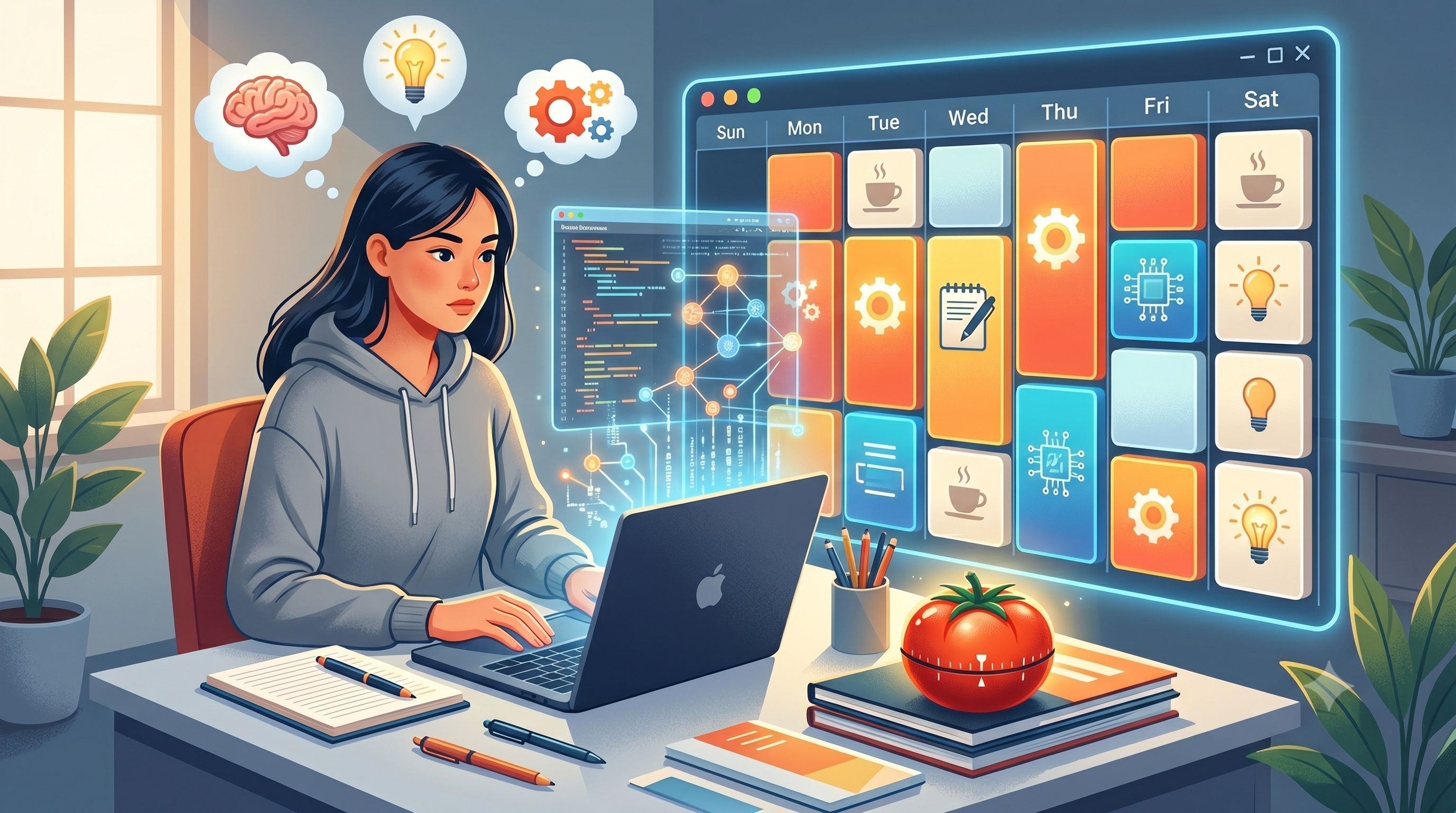 Productivity
Time Blocking: Designing a Calendar for Deep Work
A to-do list tells you what to do; it never tells you when. Time blocking closes that gap by giving every task a home on the calendar — and protecting the hours that matter most.
Read more Dev Tools
Browser DevTools Mastery: Beyond console.log
console.log will get you surprisingly far, and surprisingly stuck. The browser's developer tools hold faster ways to inspect, debug, and profile — most of which developers never learn past the first tab.
Read more Design Systems
Building a Spacing Scale with the 8-Point Grid
When every margin is a fresh guess, interfaces feel subtly off without anyone knowing why. A spacing scale built on the 8-point grid replaces guesswork with a small, deliberate set of choices.
Read more Essays
On Doing Less, Better
Our instinct, faced with any problem, is to add: another feature, another tool, another commitment. Doing less is the harder and rarer skill — the deliberate choice to subtract until only what matters remains.
Read more Productivity
The Hidden Tax of Context Switching (and How to Cut It)
Every jump between tasks leaves a residue that quietly drains your day. Here is what switching really costs, why multitasking is a myth, and how to design work that flows.
Read more Dev Tools
10 CLI Tools Worth Adding to Your Workflow
The classic Unix tools are timeless, but a wave of modern command-line replacements are faster, friendlier, and easier to read. A small set of them quietly upgrades your terminal for years.
Read more Design Systems
Designing a Color System That Scales
A handful of brand colors is not a color system. A system survives new themes, dark mode, and accessibility audits because it is built on roles and ramps, not on a pile of favorite hex values.
Read more Essays
Why Boring Technology Wins
The newest framework is always the most exciting and almost never the wisest choice. Boring, well-understood technology wins over time because its costs are known, its edges are mapped, and its surprises are few.
Read more Productivity
Single-Tasking: Reclaiming Attention in a Tab-Heavy World
Attention is finite, and we spend it carelessly across dozens of open loops. Here is the case for doing one thing at a time, and the small rituals that make it stick.
Read more Dev Tools
Git Hygiene: Crafting a Clean, Reviewable History
Git history is documentation that writes itself — if you let it. A few habits around atomic commits, clear messages, and tidying before you push turn a messy log into a story your future team can actually read.
Read more Design Systems
A Modular Typography Scale for the Web
Type sizes chosen one at a time rarely sit well together. A modular scale derives every size from one base and one ratio, so headings and body text feel like members of the same family.
Read more Essays
The Real Cost of Distraction
A glance at a notification costs you a few seconds, or so it seems. The real bill arrives later, in the minutes it takes to find your way back into the thought you were having — and most of us never see it.
Read more Productivity
The Weekly Review: A 30-Minute System That Keeps You on Track
Plans rarely fail in a single dramatic moment. They drift, quietly, a little each day. A short weekly review is the cheapest way to notice the drift while it is still easy to correct.
Read more Dev Tools
Going Keyboard-First: A Faster Way to Work
Every reach for the mouse is a small break in flow you stop noticing. Moving more of your work to the keyboard is less about raw speed and more about staying in thought without interruption.
Read more Design Systems
Designing Component APIs Your Team Will Love
A component's props are its public contract. Get them right and the component disappears into easy reuse; get them wrong and every feature becomes a fight with a boolean you regret.
Read more Essays
Writing Is Thinking: Why Developers Should Write More
Writing is not just how we record finished thoughts; it is how we discover whether we had them at all. For developers especially, the page is the cheapest place to find the holes in your reasoning.
Read more