The Hidden Tax of Context Switching (and How to Cut It)
Every jump between tasks leaves a residue that quietly drains your day. Here is what switching really costs, why multitasking is a myth, and how to design work that flows.
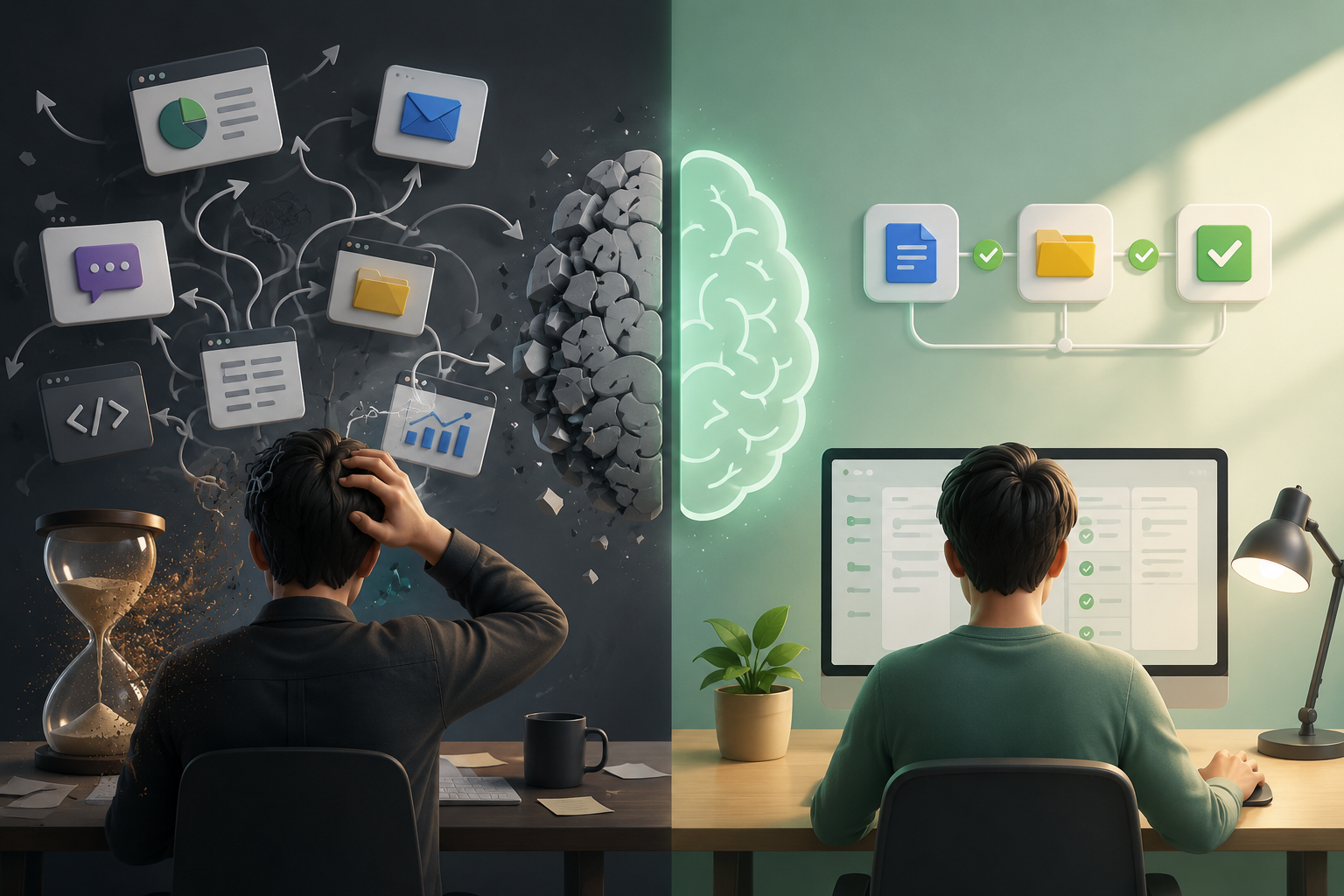
Most of us do not lose a day to a single catastrophic interruption. We lose it in slivers: a Slack ping answered mid-thought, a quick check of the dashboard, a code review that pulls us out of the function we were halfway through writing. Each move feels free. Added up, they are anything but. Context switching is the quiet tax on knowledge work, and like most quiet taxes, the first step to cutting it is simply seeing it.
What a switch actually costs
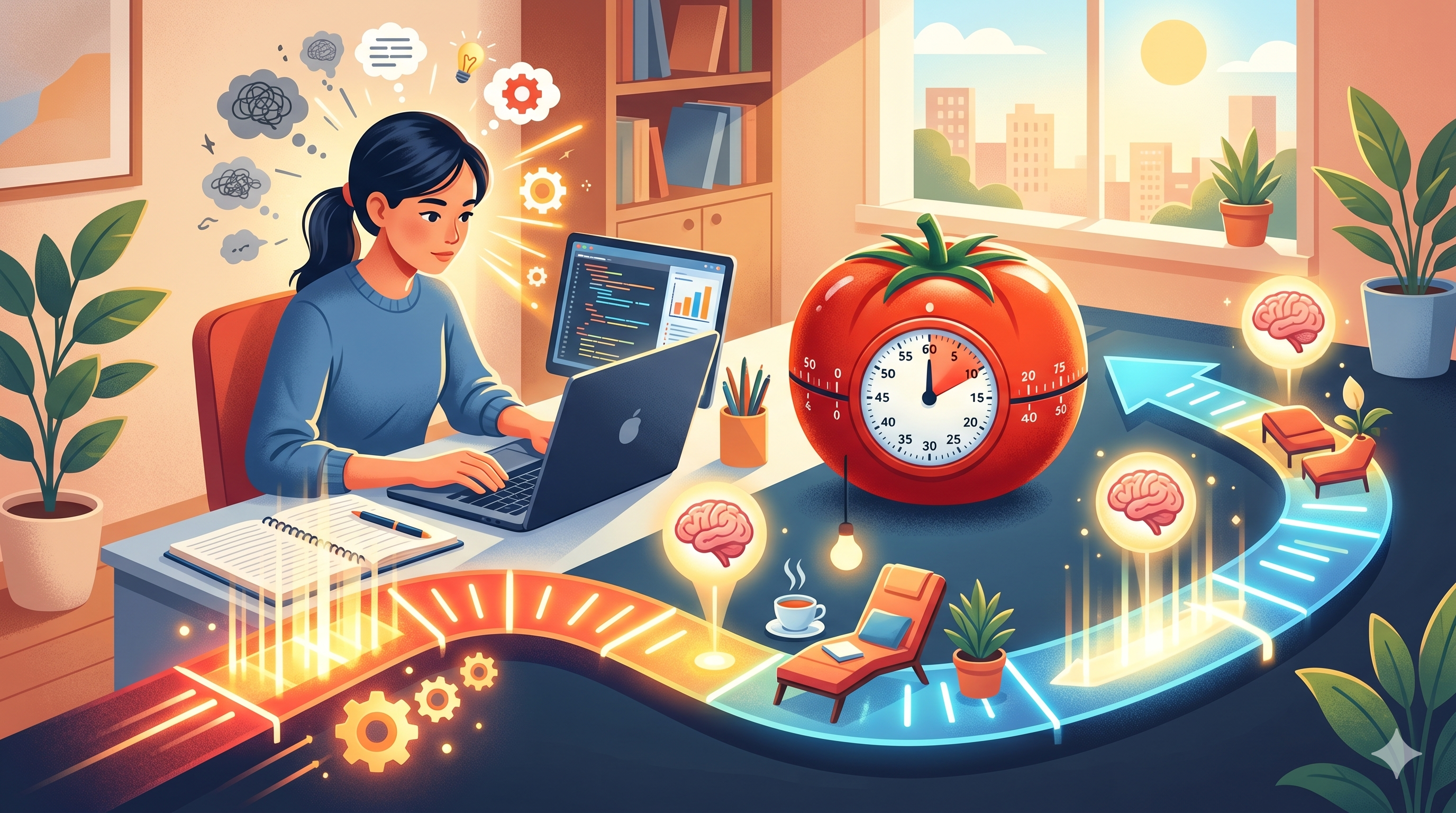
When you move from one task to another, your attention does not arrive cleanly. A part of your mind stays behind, still chewing on the thing you just left. Psychologists call this attention residue. The email you half-answered keeps running in the background, so the code you turn to next gets a diminished version of you. The cost is not the seconds it takes to alt-tab. It is the minutes of muddy, half-present thinking on both sides of the switch.
There is also ramp-up. Deep work has a warm-up period. You load the relevant files, the data model, the edge cases, and the half-formed plan into working memory. That state is fragile and expensive to rebuild. Interrupt it and you do not resume where you left off; you start the climb again. The deeper the task, the steeper the climb, which is exactly why the most demanding work is the most vulnerable to interruption.
Multitasking is an illusion
We like to believe we can hold two cognitively demanding tasks at once. We cannot. What feels like multitasking is rapid serial switching, and each switch carries the residue and ramp-up costs above. The brain is not running two threads in parallel; it is frantically swapping one in and out, paying a small fee every time.
The illusion is convincing because switching feels productive. You are busy, your hands are moving, windows are flickering. But busyness and progress are different things. A useful gut check: at the end of an hour spent switching, can you point to one thing that is meaningfully more finished than when you started? Often the honest answer is no.
Batch similar work
If switching is the cost, the obvious savings come from switching less. The most reliable way to do that is batching: grouping similar tasks so your mind stays in one mode for a stretch instead of toggling between modes all day. Reviewing code, answering messages, and writing prose each demand a different posture of attention. Interleaving them forces a context reload every few minutes.
- Collect small asks into a single block instead of handling each the moment it lands.
- Keep one or two windows per day for shallow work like email, triage, and replies.
- Protect at least one uninterrupted block for the hardest task, and do it before the shallow work, not after.
- Group meetings back to back rather than scattering them, so the gaps between them stay long enough to use.
Batching is not about doing more in less time. It is about paying the switching tax once per mode rather than dozens of times per hour. The work itself does not get faster; the friction around it gets cheaper.
You do not need more hours. You need fewer transitions between the hours you already have.
Tame the notifications
Notifications are switch generators by design. Every badge and banner is an invitation to leave what you are doing, and most of us accept far more invitations than we would if we paused to count them. The fix is not heroic willpower. It is changing the defaults so the quiet state is the normal state.
- Turn off notifications you do not act on within minutes. If it can wait an hour, it can wait silently.
- Move chat and email to pull rather than push: you check them on a schedule, they do not interrupt you.
- Use a single, visible do-not-disturb signal so teammates know when you are heads down.
- Keep your phone out of reach during deep blocks; the glance itself is a switch.
A reasonable worry is that going quiet will make you slow to respond. In practice, batching replies into a few windows a day is plenty for almost everything, and the rare true emergency has a way of finding you through other channels. Most messages are not urgent; they only feel urgent because they arrived.
Design an environment that minimizes switches
Willpower is a poor long-term strategy because it runs out. A better one is to shape your environment so the low-friction path is also the focused path. Small structural choices compound: which apps open at login, how your tabs are organized, whether your tools interrupt you or wait for you.
- Close what you are not using. Open tabs and windows are standing invitations to switch.
- Give each project a single home so you are not hunting across tools to reconstruct context.
- Keep a visible note of where you left off, so a forced interruption costs less to recover from.
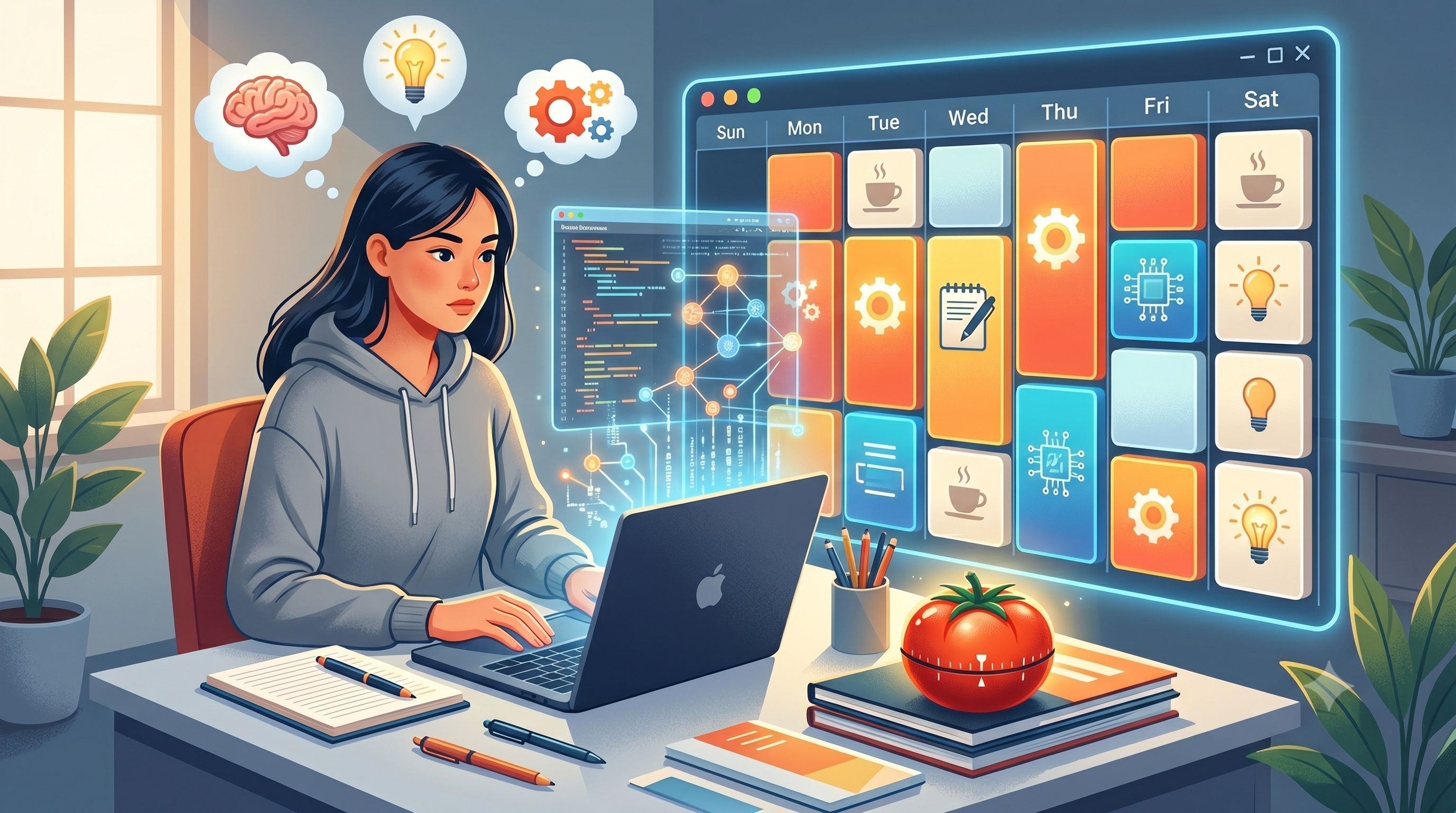
- Block focus time on your calendar and treat it as a real commitment, not a suggestion.
# Quiet the noisiest channels for a focus block
do-not-disturb on
close-tabs --keep "editor,docs"
echo "Resuming: refactor the auth middleware, left off at token refresh" > .where-i-left-off
None of this requires a new app or a productivity system. It requires noticing where the switches come from and removing a few of them at the source. The environment that protects your attention is mostly the one you stop interrupting.
Closing
Context switching will never hit zero, and it should not. Collaboration, learning, and genuine emergencies all require us to move our attention around. The goal is not a rigid, interruption-free bunker. It is to stop paying the tax by accident, on switches that bought you nothing. Batch what is similar, silence what is not urgent, and arrange your tools so focus is the easy choice. Do that, and the same hours start to hold a great deal more work.